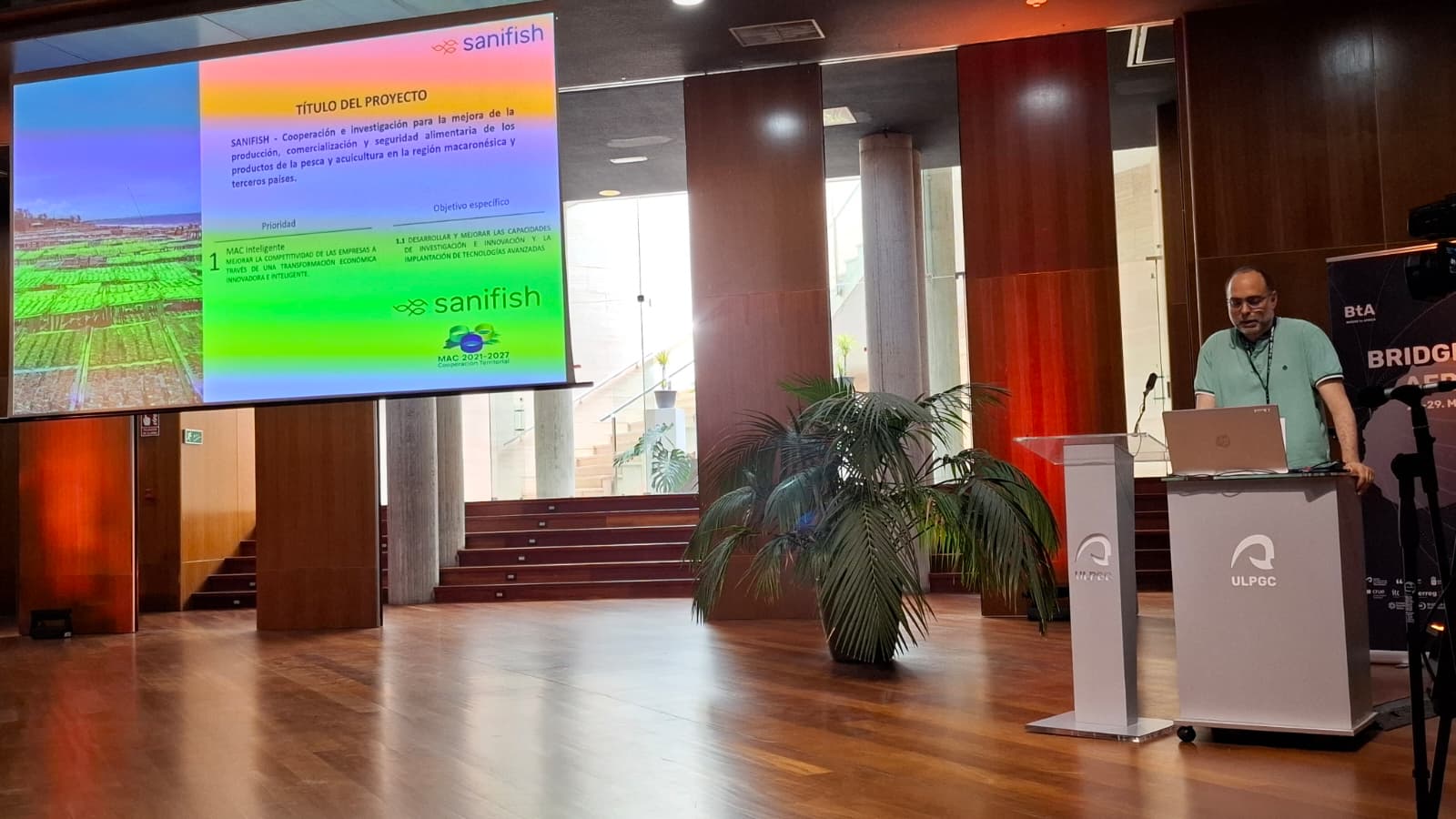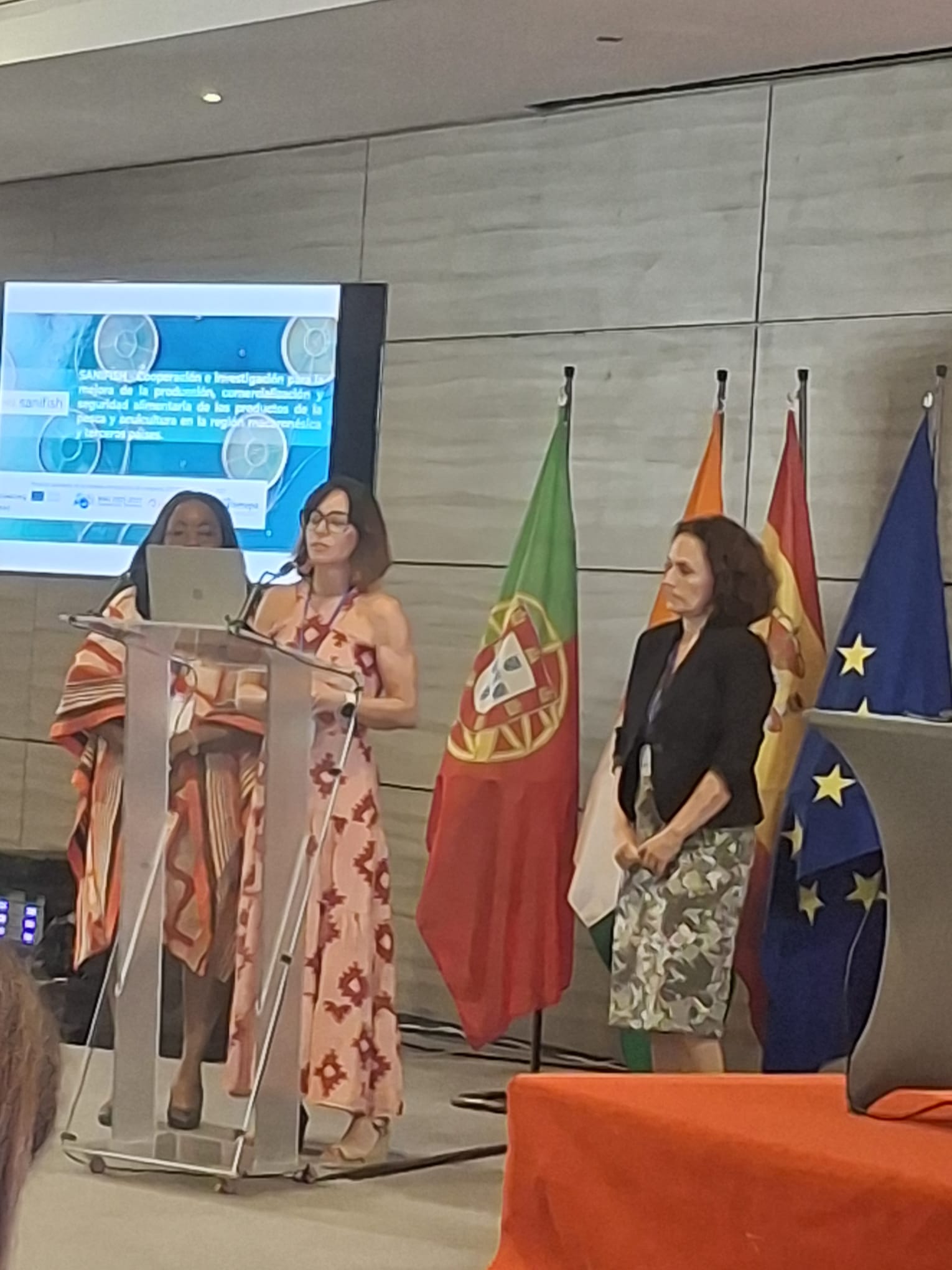
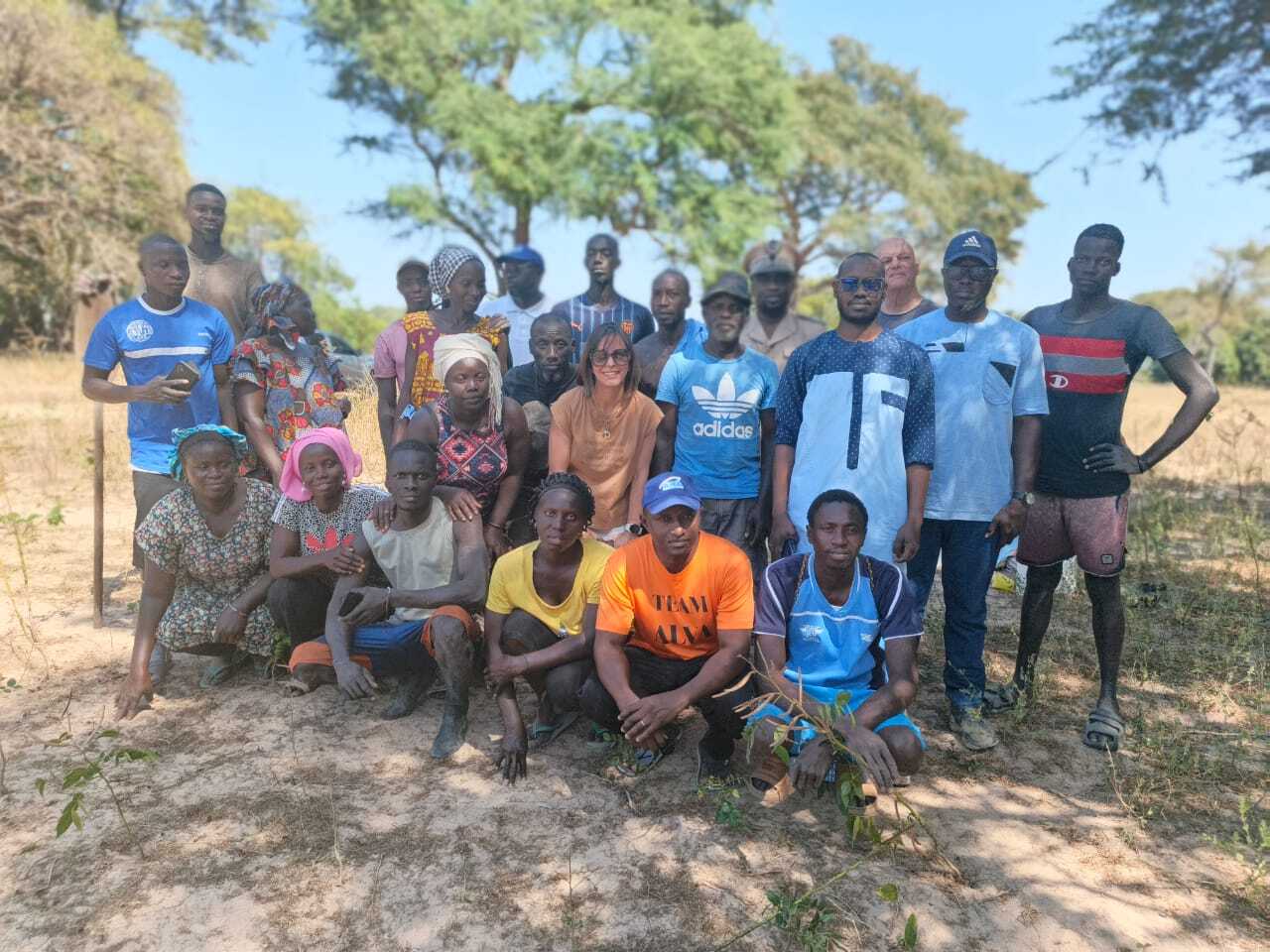
The Provincial Federation of Small and Medium-Sized Metalworking and New Technologies Companies of Las Palmas (FEMEPA), together with the National Aquaculture Agency of Senegal (ANA) and the University of Las Palmas de Gran Canaria (ULPGC), through the University Institute of Animal Health and Food Safety (IUSA), took part in a technical mission carried out in Senegal from 9 to 13 February 2026 within the framework of the SANIFISH project 1/MAC/1/1.1/0187.
Representing FEMEPA was Patricia Solinis, Project Officer in the Innovation, Internationalisation and Sustainability Department, while Fernando Real participated on behalf of IUSA, strengthening the scientific and technical dimension of the mission.
The overall objective of the mission was to visit the sites with the greatest potential for the establishment of the pilot farm and to prepare the development of the implementation plan, ensuring the involvement of administrative and traditional authorities, as well as local stakeholders from the aquaculture sector.
Assessment of Sites in the Casamance Region
During the mission, four locations in the Casamance region — within the departments of Ziguinchor, Oussouye and Bignona — were visited. These sites had previously been identified due to their productive, environmental and organisational potential.
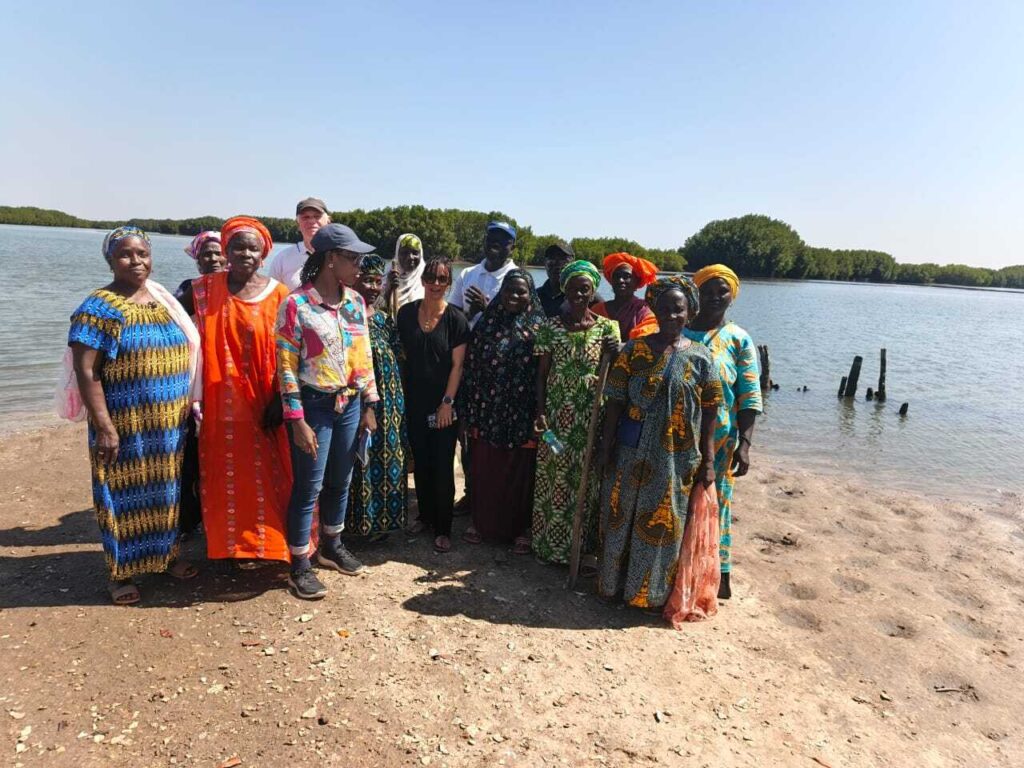
The visits included institutional meetings with prefectures, sub-prefectures, municipalities and traditional leaders, as well as working sessions with local groups involved in oyster production. These meetings made it possible to gather needs, expectations and key technical information for selecting the final location.
Visit to a Women-Led Fish Farming Initiative in Fatick
As part of the mission, a technical visit was also carried out in the Fatick region to learn about a fish farming facility managed by a women’s association.
During the visit, several potential improvements to the production infrastructure were assessed, including the installation of solar panels to ensure energy autonomy, the incorporation of a water pump and the overall optimisation of the facilities. This activity helped identify opportunities to strengthen sustainable production models while promoting a gender-inclusive approach.
Next Steps
Based on the information collected, the technical team will carry out a comparative analysis of the sites visited in order to determine the most suitable location for the implementation of the pilot farm.
The future infrastructure will contribute to the modernisation of Senegal’s oyster farming sector by improving production, marketing and sanitary conditions of the products, while strengthening cooperation between the Canary Islands and Senegal in the field of the sustainable blue economy.