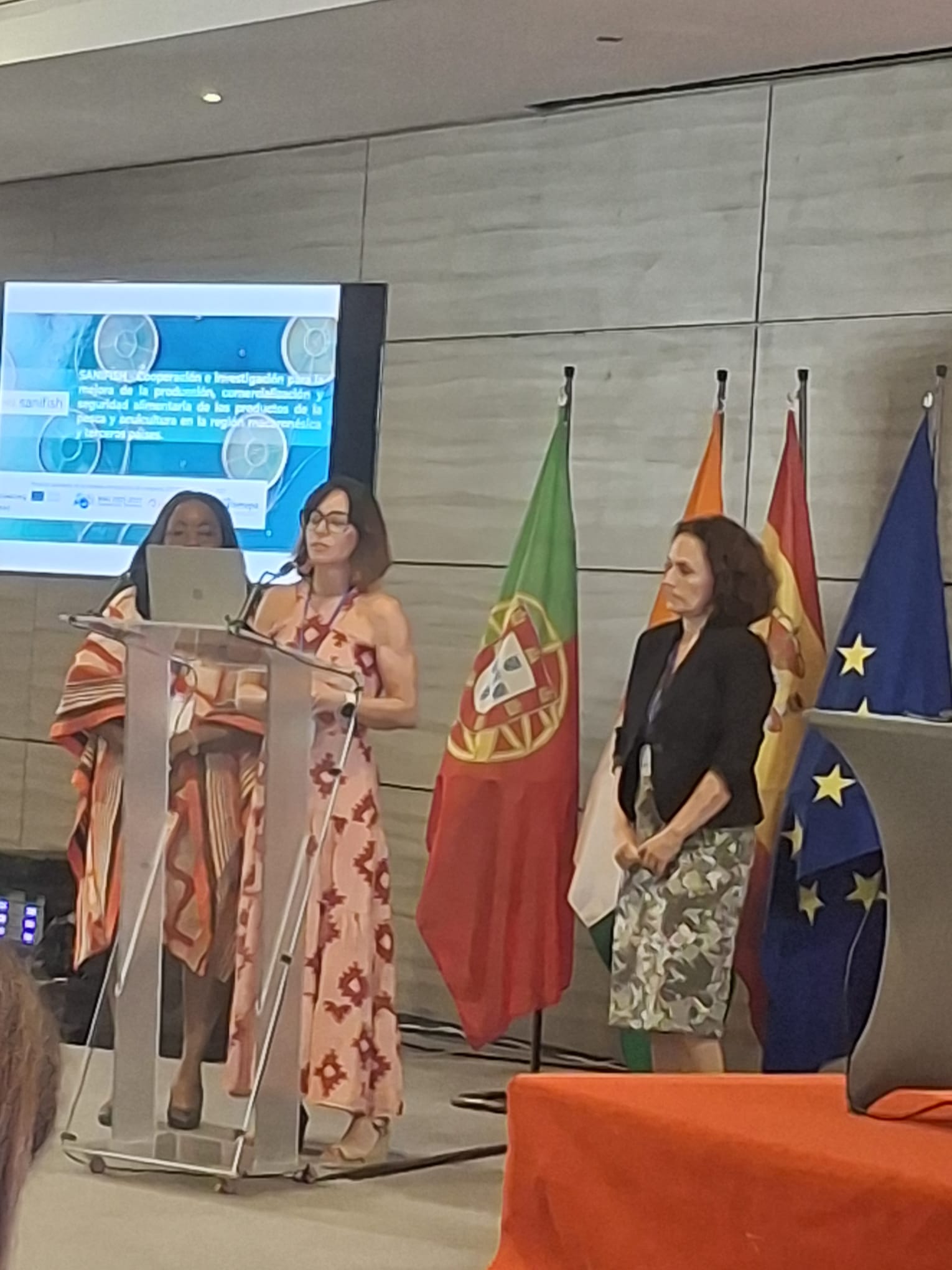
The SANIFISH – Cooperation and Research for the Improvement of the Production, Commercialization and Food Safety of Fisheries and Aquaculture Products in the Macaronesian Region and Third Countries project took part in the second edition of Bridge to Africa 2026, held from 25 to 29 May at the University of Las Palmas de Gran Canaria (ULPGC) and Casa África, in Las Palmas de Gran Canaria.
Bridge to Africa is a strategic initiative
Bridge to Africa is a strategic initiative promoted by the University of Las Palmas de Gran Canaria and the University of La Laguna, with the support of the Government of the Canary Islands, the Cabildo of Gran Canaria and Casa África. Its objective is to strengthen the Canary Islands as a hub for academic, scientific and institutional cooperation between Europe and Africa. The event brings together institutional representatives, researchers, international experts, companies and organizations to address the main challenges and opportunities for cooperation between the two continents. Throughout the week, keynote lectures, round-table discussions, technical presentations and the 4th International Congress of Young Researchers on Africa were held. The programme addressed strategic topics such as the environment, health, education, research, sustainable economy and innovation.
Participation of IUSA, Lead Partner of the SANIFISH Project
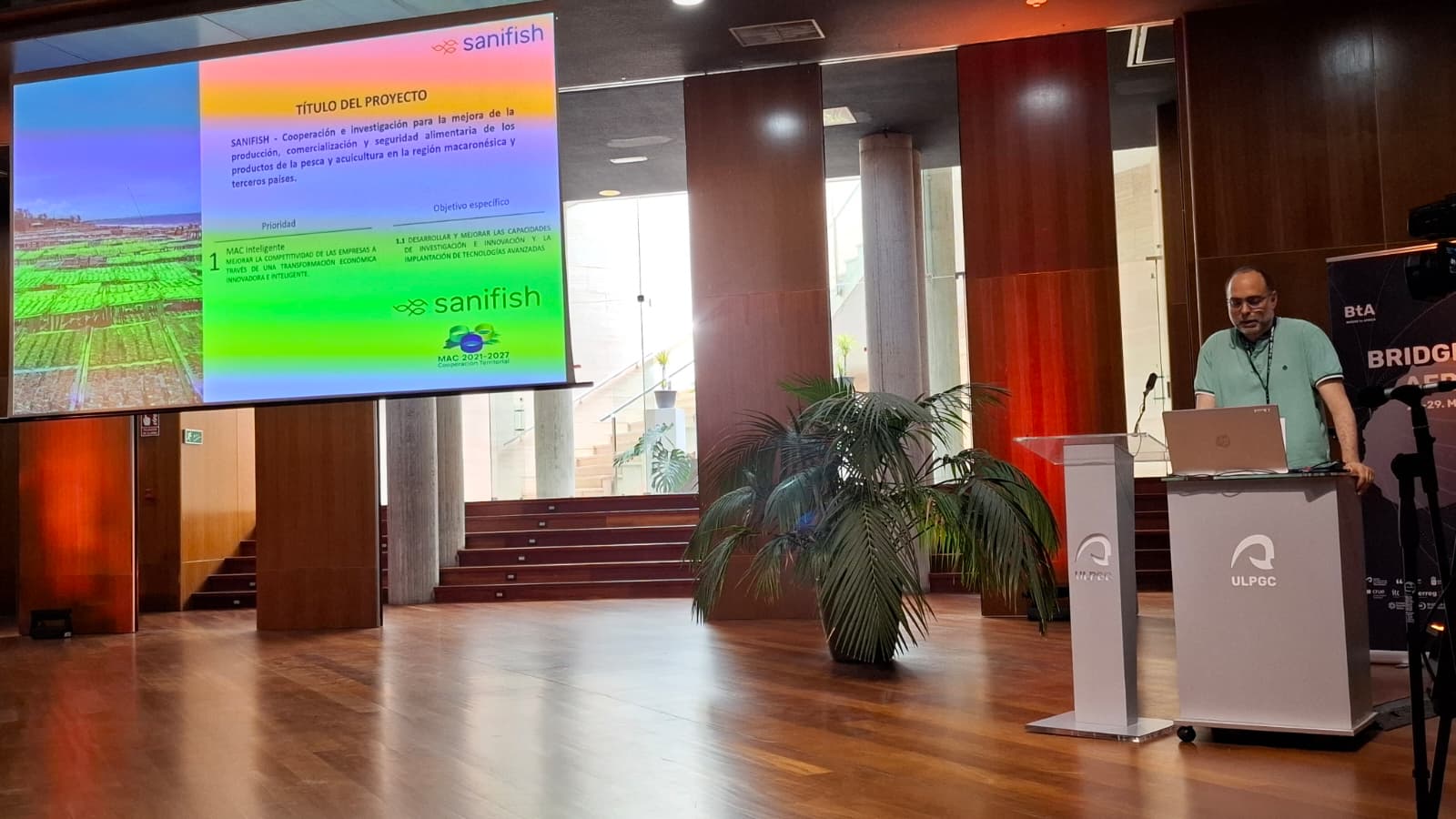
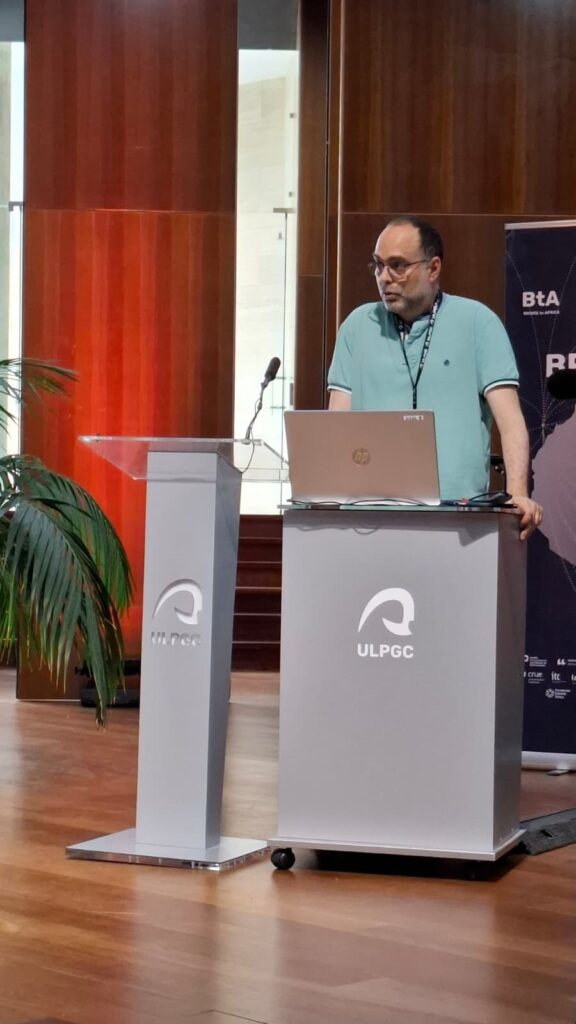
In this context, Daniel Fermín Padilla Castillo, researcher at the University of Las Palmas de Gran Canaria and member of the University Institute of Animal Health and Food Safety (IUSA), delivered an introductory presentation on the SANIFISH project, outlining its main objectives, areas of work and activities carried out within the framework of cooperation between Macaronesia and West African countries.
During his presentation, he highlighted the importance of strengthening scientific research, food safety and the sustainability of fisheries and aquaculture products, while promoting cooperation between the Canary Islands, Madeira, the Azores, Cape Verde and third countries such as Senegal, Mauritania, Ghana and Côte d’Ivoire. He also presented several of the actions currently being implemented within the project, including health surveillance, fisheries product quality, knowledge transfer, specialized training and the strengthening of the technical capacities of participating partners.
Conclusions
SANIFISH’s participation in Bridge to Africa provided the project with international visibility and showcased the scientific and technical cooperation being developed between Europe and Africa to improve sustainability, food safety and the competitiveness of the fisheries and aquaculture sector.
Participation in this forum further reinforces SANIFISH’s commitment to knowledge generation, innovation and the creation of collaborative networks that contribute to the sustainable development of the participating regions and to strengthening relations between Macaronesia and West Africa.